
Property services in the Reykjavík capital region
Inspect.Solve.Restore.
One point of contact when something goes wrong in a property. Masonry, tiling and finishing — plus fitting-level plumbing we put right on site in the same visit. From the first inspection and its documentation, through the repair and the handover to licensed professionals, all the way to a properly finished surface.
Or call us directly: 845 5976
We come first
Instead of booking an expensive master-tradesman call-out just to find out what is wrong, you send us. We inspect, measure and say what the case is about before the specialist's meter starts running.
Everything documented with photographs
Dated photographs, a written description and moisture readings where they apply. Material that can be forwarded straight to a professional, an insurer or the húsfélag board.
We do not leave the wall open
Masonry and finishing is our own trade. When the plumber or the electrician has gone we come back, close up, fill, paint and tile until the room is usable again.
What we do
Five pillars
Everything we do falls under one of these five. Our trade is masonry and finishing; the inspection and the coordination exist so the right work is done by the right party.

Inspection and diagnostics
We come to the property, examine the damage, measure moisture where relevant and record what is visible — before a more expensive specialist is called out.
- Moisture inspection and moisture measurement
- Investigation of a suspected leak
- Water-damage assessment
- Inspection of walls, ceilings and floors
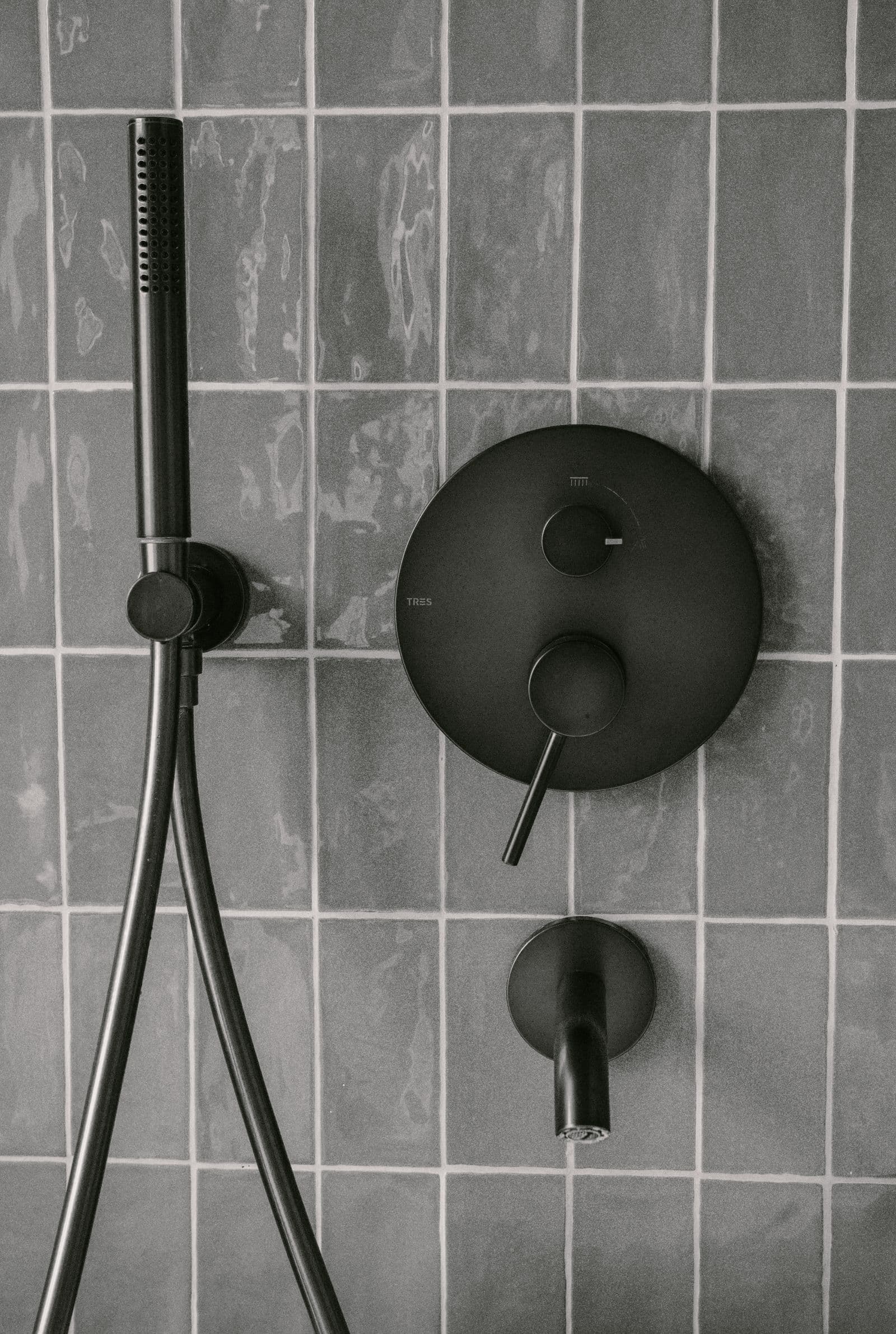
On-site plumbing and small repairs
Small plumbing problems fixed on the spot, during the same visit as the inspection — without booking a second call-out.
- Taps and mixers
- Toilet cistern mechanisms
- Water heater fittings
- Stop valves
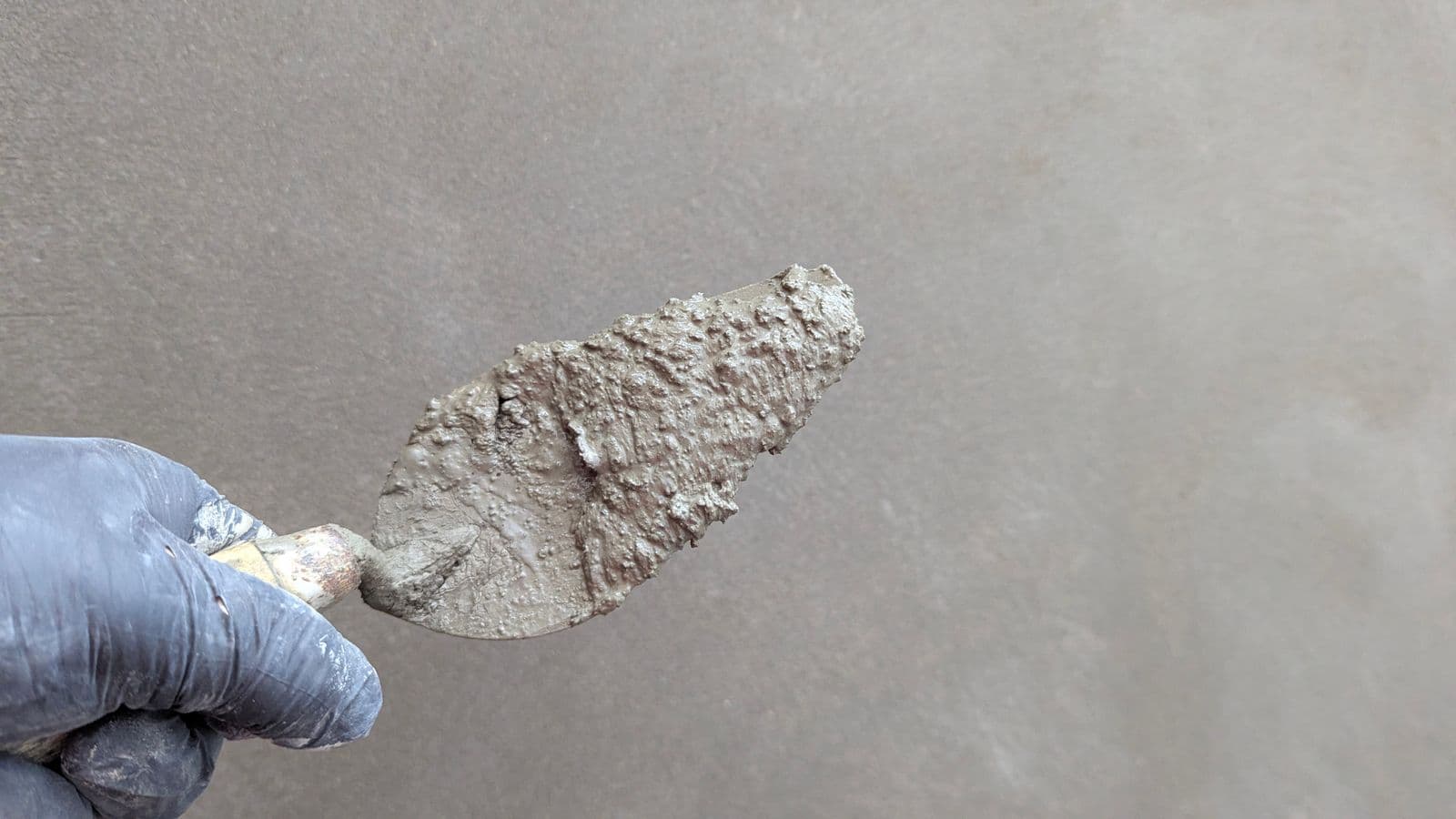
Masonry and repairs
All masonry work, tiling, floor levelling, stone grinding, exterior repairs and concrete breaking — the trade the company is built on.
- All masonry work
- Tiling
- Floor levelling
- Stone grinding and polishing
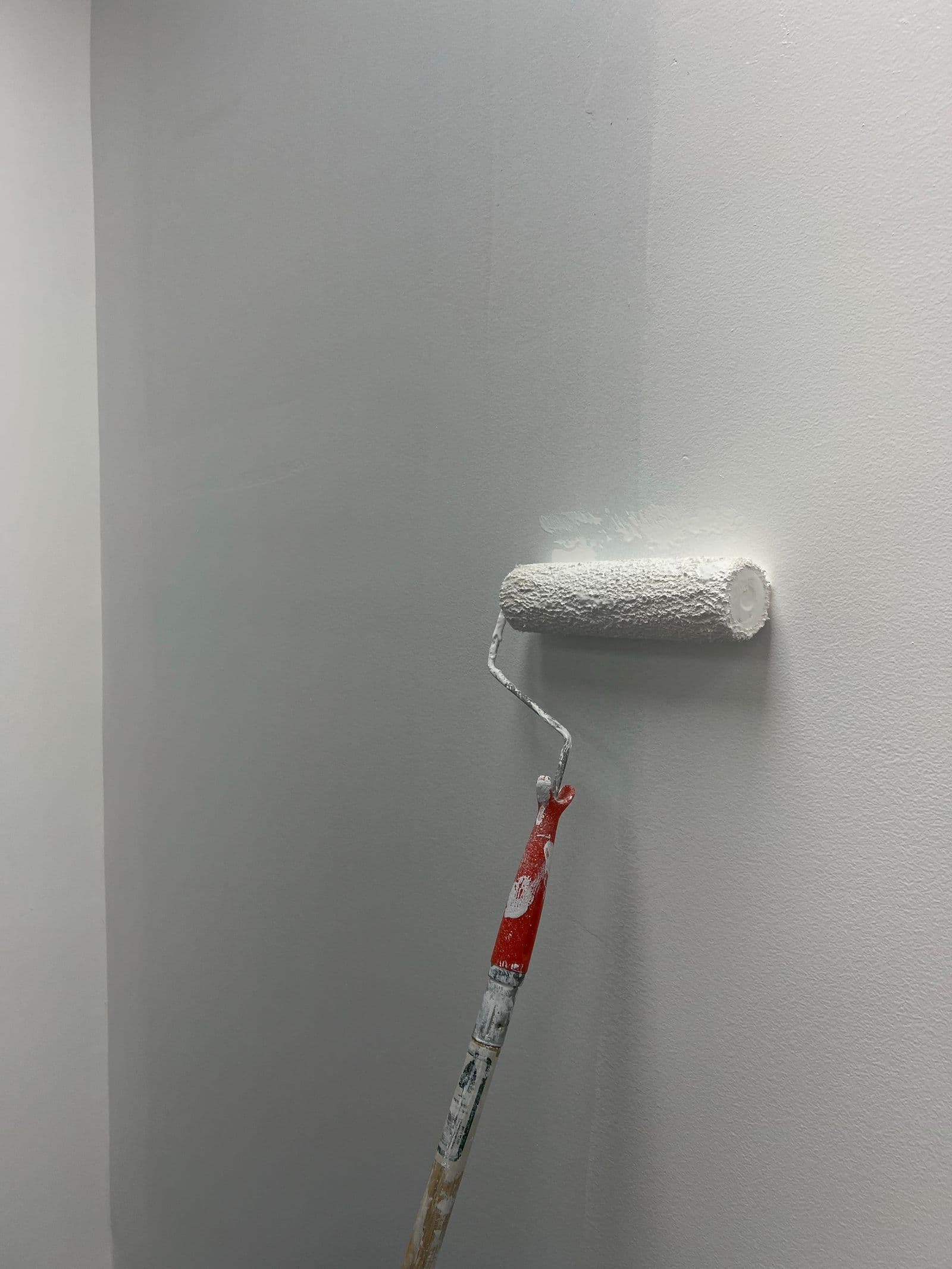
Painting, finishing and restoration after specialist work
When the plumber or electrician leaves, an open wall is left behind. We close it, fill, sand, paint and re-tile until the room looks as though nothing happened.
- Wall and ceiling restoration after plumbing or electrical work
- Closing access openings
- Filling
- Sanding
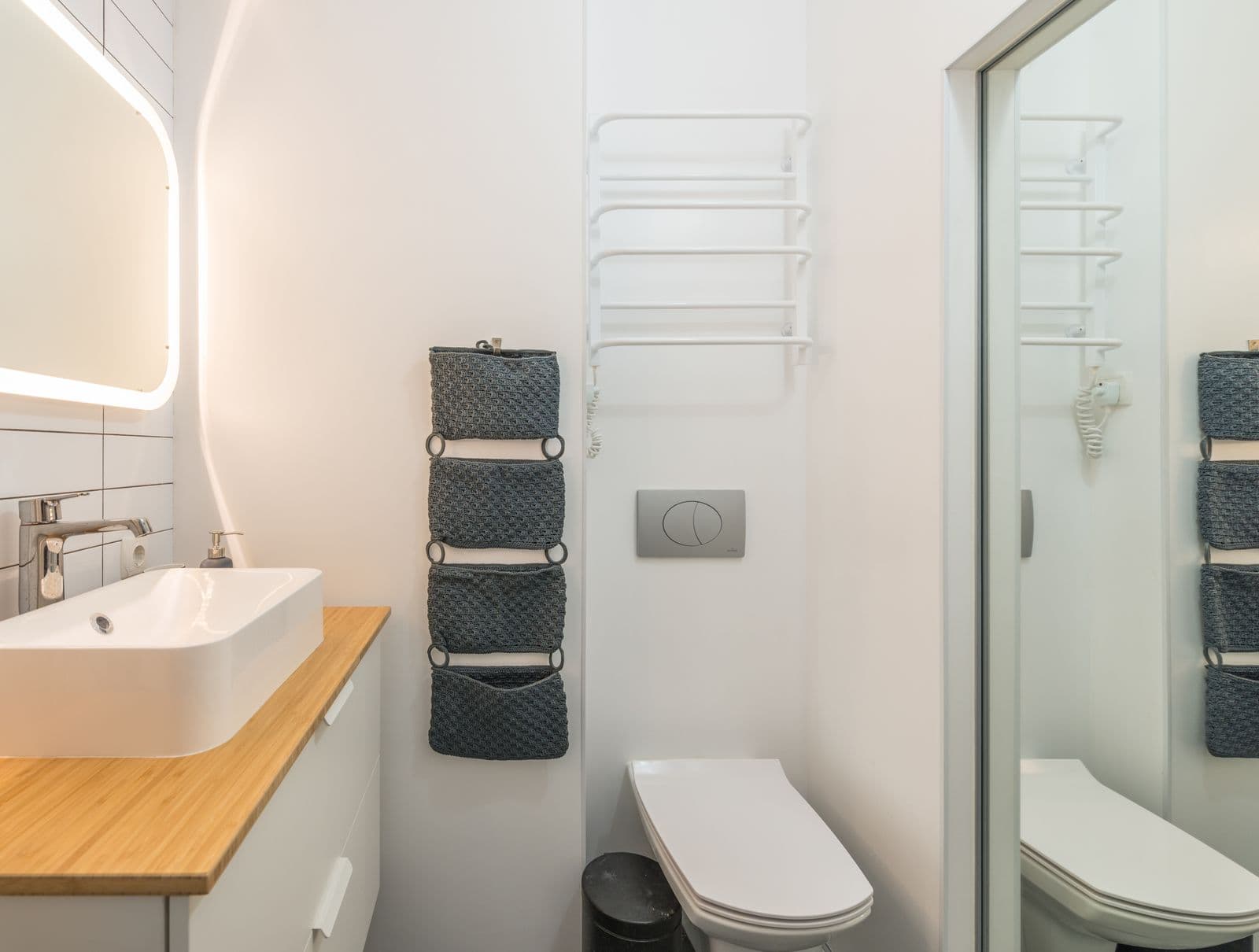
Specialist coordination
When a licensed trade is required we identify which one, prepare the documentation with photographs, measurements and location, and put you in touch with a partner who arrives already knowing the job.
- Identifying which licensed trade is required
- A written description of what was found
- Dated photographs, close-up and overview
- Moisture readings with figures and positions
How we work
From the first report to a finished wall
The same process whether the case turns out to be perished silicone or a pipe that has to be replaced.
The report
The property manager, the property company or the resident reports the problem — by phone or through the report form. They do not need to know what is wrong; finding that out is our job.
Inspection
We attend and examine the area the report concerns, together with what adjoins it: the floor above, the other side of the wall, the nearest wet room.
Documentation
Photographs, observations and measurements where relevant. This is the material that travels onward — to the húsfélag, to the insurer or to the next professional.
Next step
Either this is within what we repair and we complete it, or a licensed professional is required. In that case we say which trade and hand over the documentation.
The repair
The technical intervention takes place. The licensed master plumber or electrician does their work holding our documentation, knowing what waits for them before they arrive.
Restoration
We come back and make good: close the opening, fill, sand, paint, tile and clean. This is our own trade, and it is the step most often missing elsewhere.
Final report
Final photographs and a summary of what was done, sent to the húsfélag or the property company. The case is closed and the building has a written record of what happened.
Steps 6 and 7 are marked for a reason: that is where most jobs stop elsewhere, and where our own trade takes over.
The kind of cases that reach us
The cases that reach us
These are real situations from apartment buildings in the capital region, not categories from a brochure.
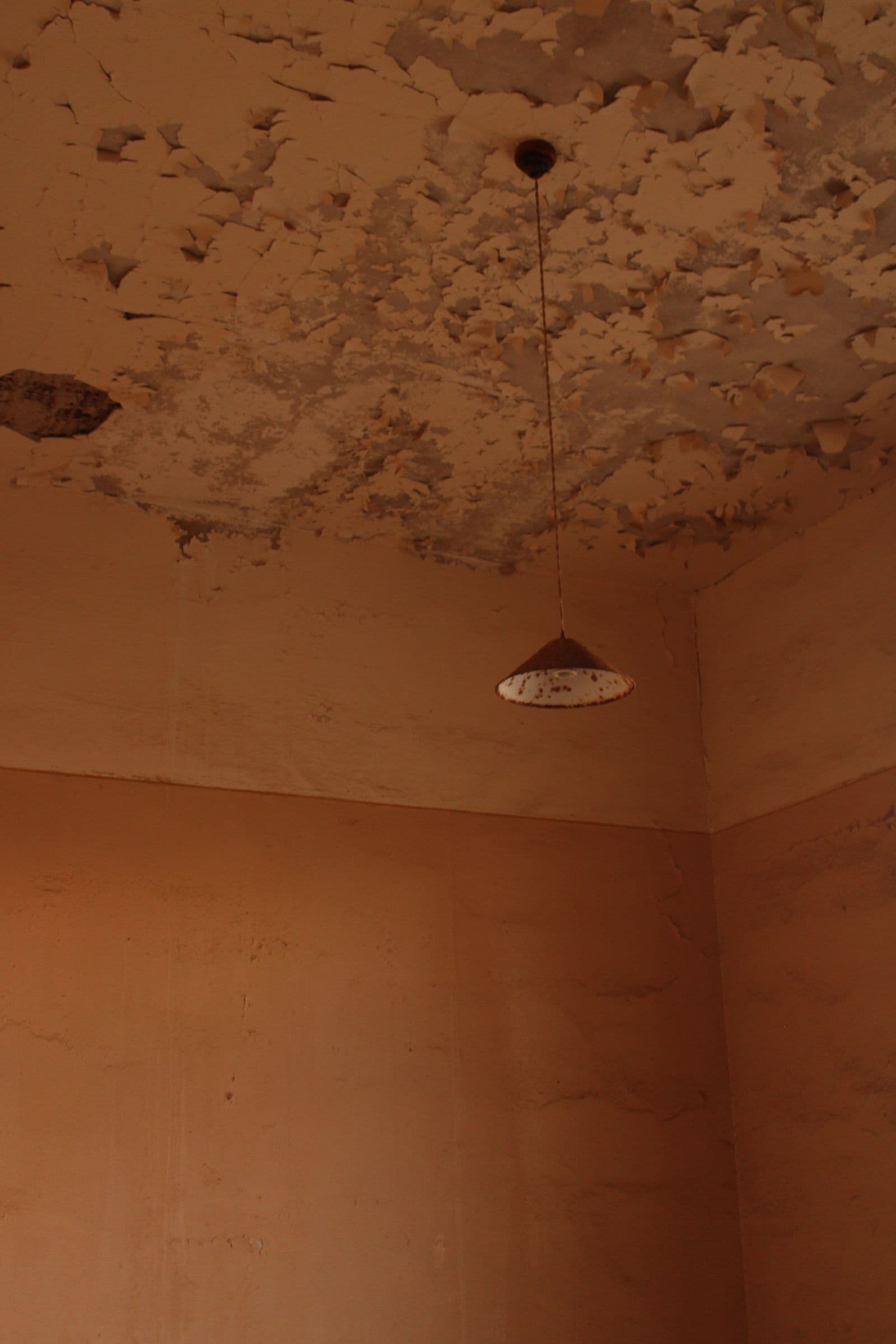
A brown stain on the ceiling
The stain grows slowly and nobody knows whether it comes from the bathroom above, from the roof or from a pipe in the slab. We inspect the floor above as well, measure moisture and record what we find before anything is opened.
Read more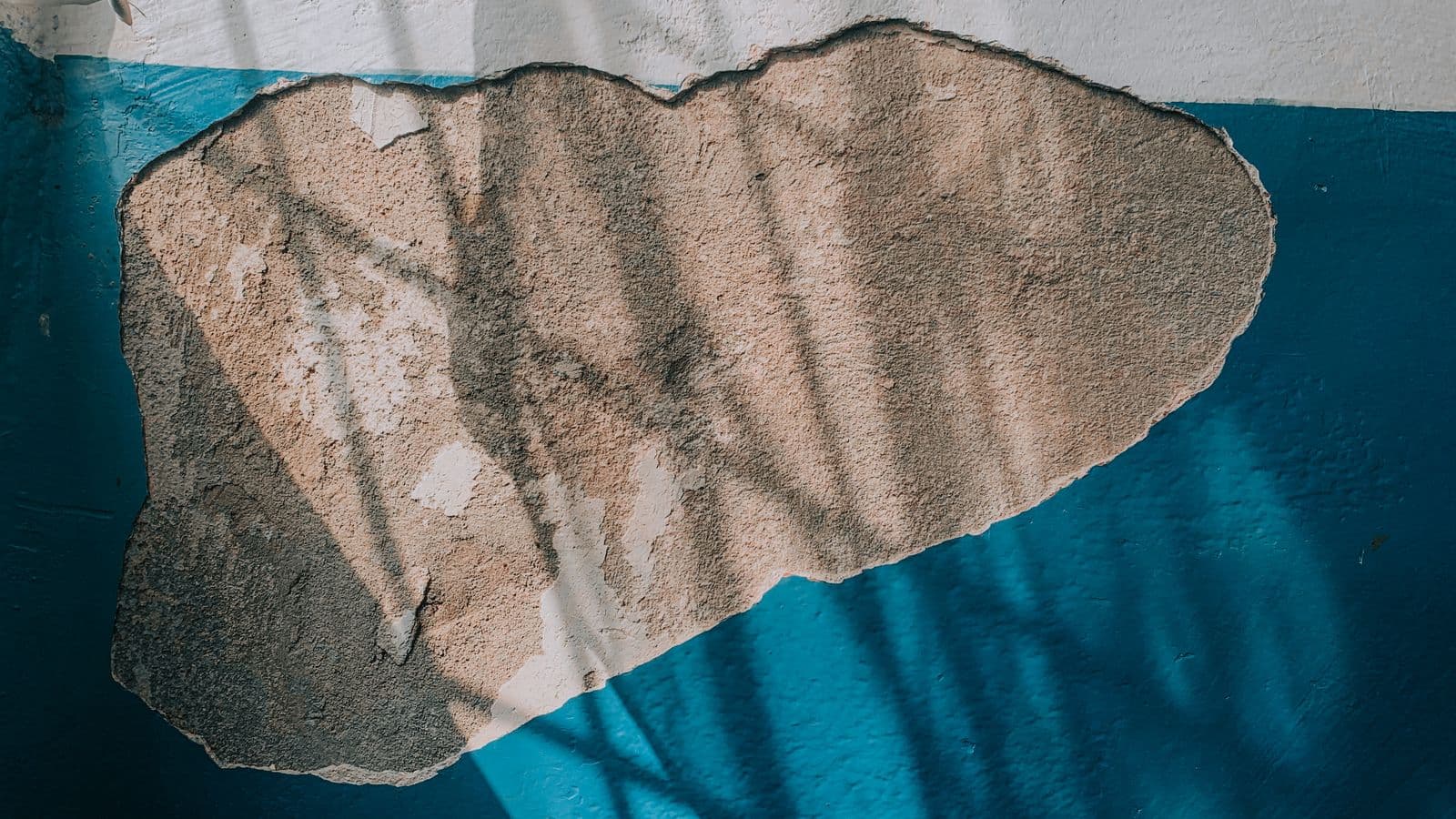
Moisture in a bathroom wall
Paint flakes beside the shower or tiles come loose at the bottom. Sometimes it is perished silicone and sealant, sometimes it lies deeper. We measure, inspect the other side of the wall and say whether this is a finishing matter or a pipework matter.
Read moreA dripping tap or a running toilet
The resident calls about a tap that drips or a toilet that never quite stops. This sits at fitting level, so we bring materials and tools to the inspection and replace what has failed before we leave. No second trip and no separate call-out.
Read more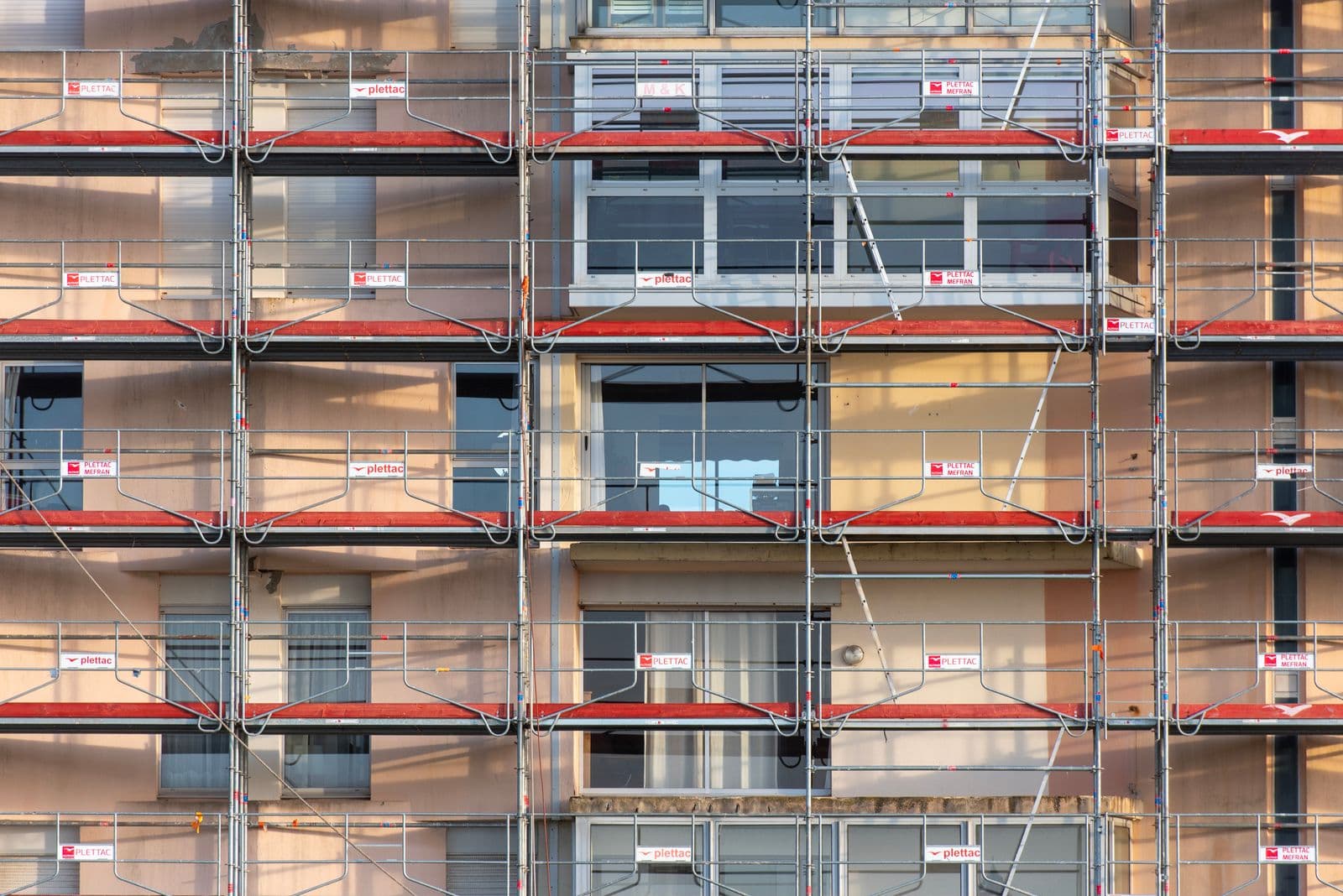
Cracked render on an external wall
Cracks in external render let water into the wall, and in Icelandic weather it freezes and widens the crack. We assess the extent, repair the render and seal it — this is squarely our own trade.
Read moreAn open wall after the plumber
The pipe is fixed but the wall stands open, broken tiles are lying there and the resident is asking when the bathroom will be usable again. We close up, fill, paint and re-tile.
Read more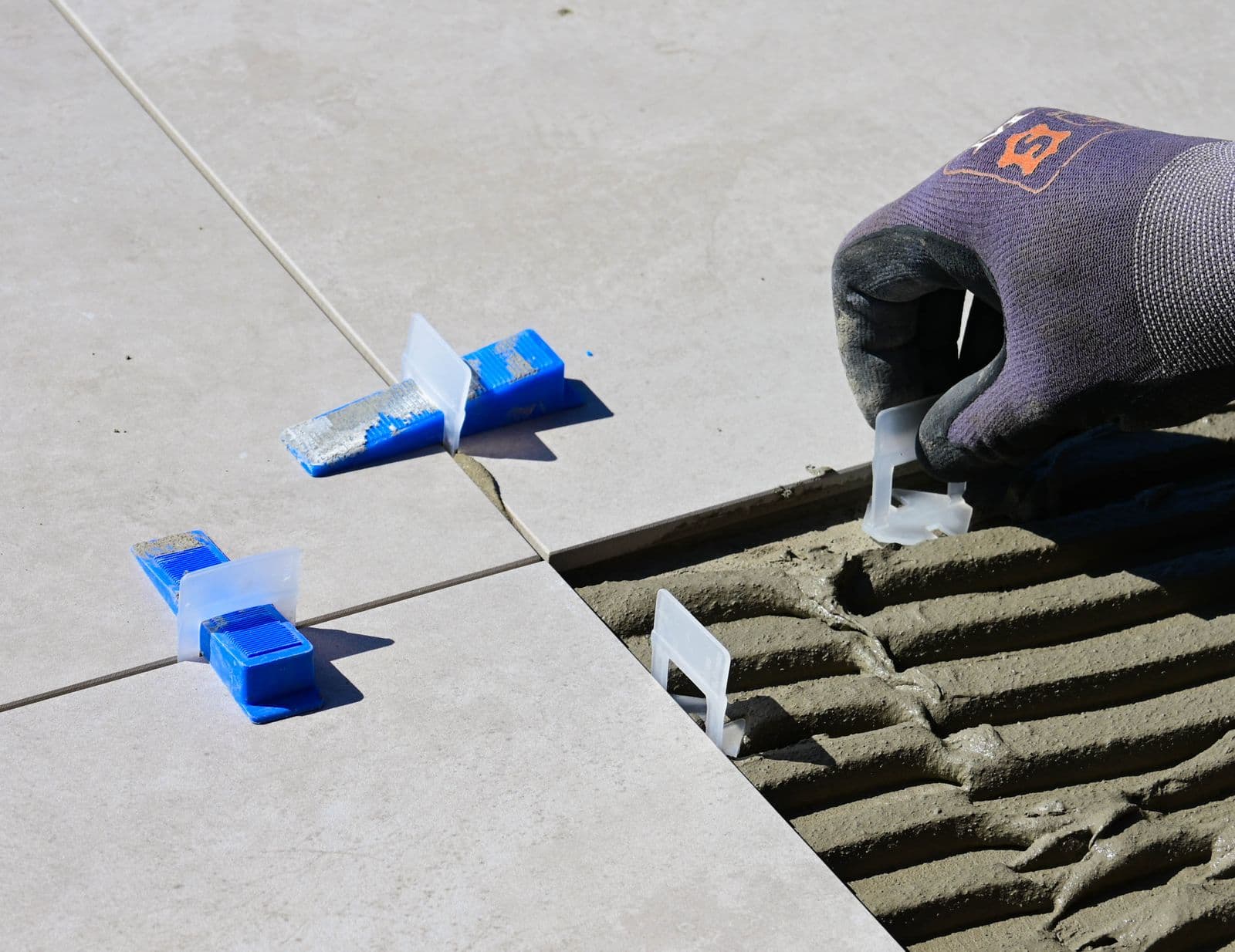
Loose or hollow tiles
The tiles sound hollow underfoot, or one comes loose at a time. It is rarely just one tile — we check how far the debonding reaches and re-lay onto a sound substrate.
Read more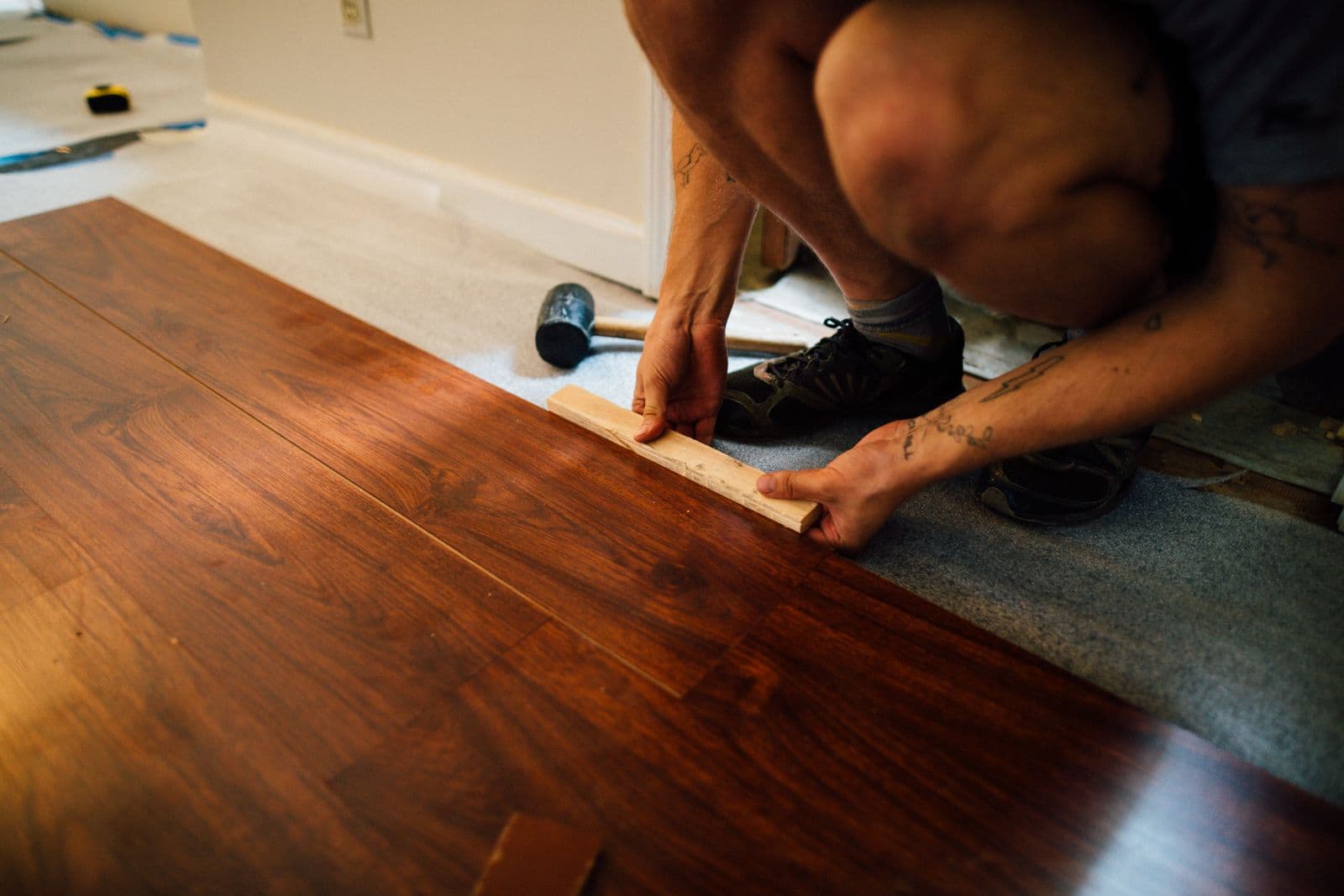
An uneven floor before new covering
New wood flooring or vinyl is going onto a floor that slopes or is uneven after the old covering. We level it so the substrate is right before the new material arrives — otherwise the unevenness shows through.
Read more
Fixed on site
Fixed in the same visit
When the problem is small we finish it on the spot. No second call-out to book, no waiting for a slot with a master tradesman, no second trip to pay for. The resident gets their room back the same day, and the húsfélag gets the case closed instead of carrying it over to the next meeting.
What residents report
“The kitchen tap drips constantly and it has got stiff to turn.”
We replace the mixer tap, or renew the worn part inside it. The connection is visible under the sink and the job is done without opening anything up.
“The toilet runs and never quite stops. You can hear it at night.”
Toilet cistern parts wear out. We replace what has failed inside the cistern so it stops passing water. It is the most common single source of wasted water in an apartment building, and it never shows up on a wall.
“It is wet in the cupboard under the sink and there is a smell.”
We look at the trap and the connections under the basin, seal or replace whatever is leaking, and dry it out. If the base of the cupboard has gone soft from damp we tell you that as well.
“The shower hose sprays everywhere at the connection and the head is blocked.”
A shower hose and a shower head are a few minutes' work. We carry them and swap them there and then.
All our plumbing work is at connection level: visible, accessible equipment that can be swapped without opening the fixed installation. Anything inside the fixed pipework, in the heating system, inside a wall or under a floor goes to a licensed master plumber. We do not do that work and we do not offer it — but we hand it over ready, and we come back afterwards to make good.
The handover
We do not say “call a plumber”. We tell the plumber what is waiting for them.
When an inspection shows that a licensed master plumber is needed, the case is not simply passed on with a phone number. The professional receives a written description of what we found, together with photographs and measurements.
The difference is simple: they know what the job is before they arrive, instead of starting the day by working it out.
Handover to the specialist
Location
Which property, which floor, which room, and exactly where on the wall, floor or ceiling.
What was observed
What is visible, when it started according to the resident, and whether it has changed since.
Measurements
Surface moisture readings with figures and positions, so the extent of the affected area is visible.
Photographs
Dated photographs: a close-up of the damage and an overview showing it in the context of the room.
What we suspect
Our view of the likely source, stated as an assessment and not as a conclusion. The professional makes the decision.
Access
How to get at it: where the stop valve is, what has to be moved, whether anything needs opening, and who lets them in.
The professional arrives with the right materials, knowing what they are walking into. The húsfélag gets one case that holds itself together instead of three contractors pointing at each other. And when they are finished, we come back and make good.
For property managers
The resident knows what they can see. They do not know who to send.
The choice is then between guessing and sending someone, or booking an expensive licensed master-tradesman call-out purely to find out what is wrong. Both cost money, and one of them can end with the wrong professional arriving.
- One first point of contact
- Faster triage
- Structured documentation with photos
- A clearer handover to the specialist
Before and after
This is the step that is usually missing
Once a licensed master plumber has finished, the technical problem is solved — but the wall is open and the room is unusable. Masonry and finishing is our own trade, so we close up, fill, sand, paint and tile until the room looks as though nothing happened. Drag the handle to compare.
These images are placeholders; the real pair will be published once the client has approved it.
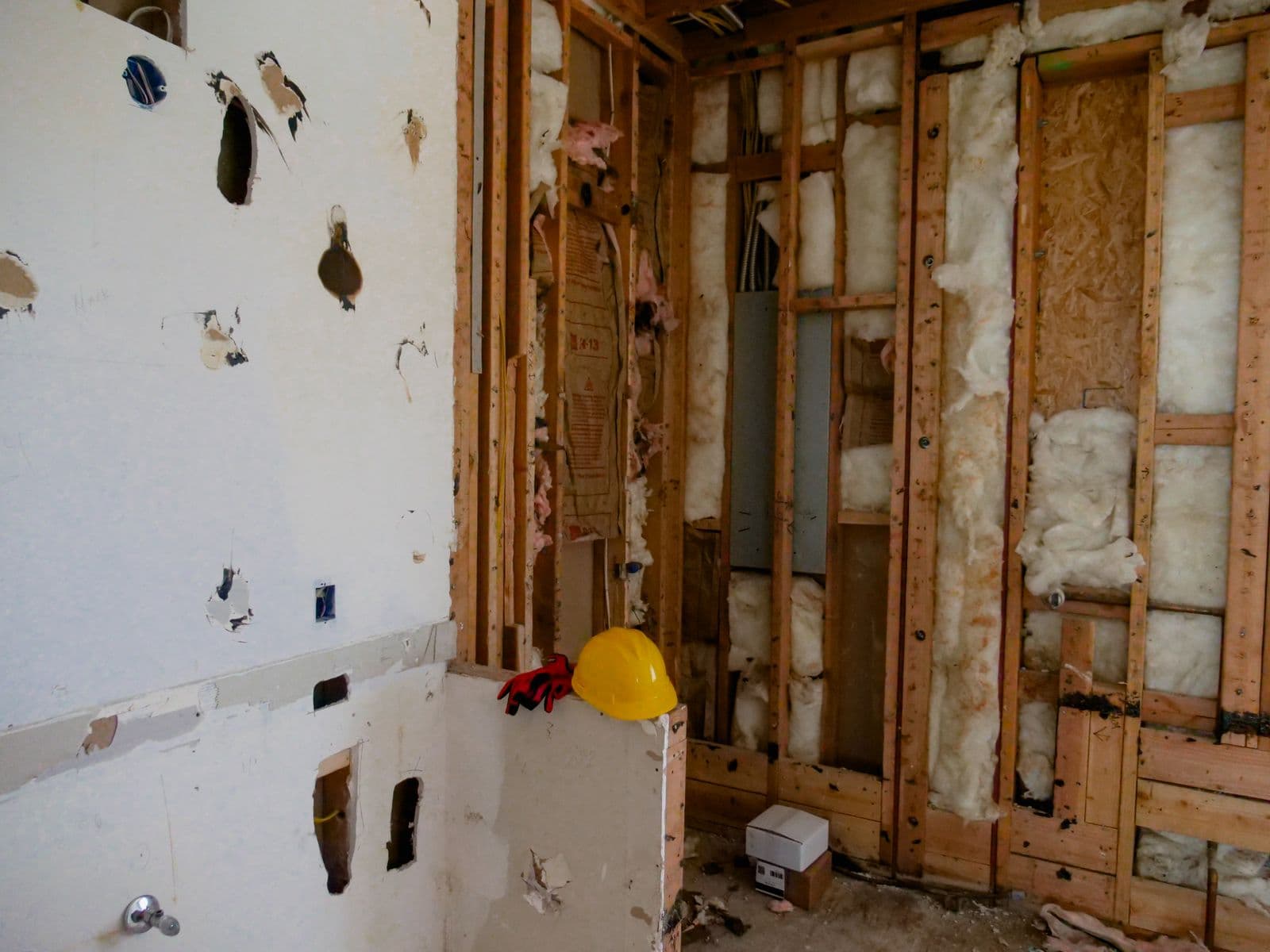 Wall open
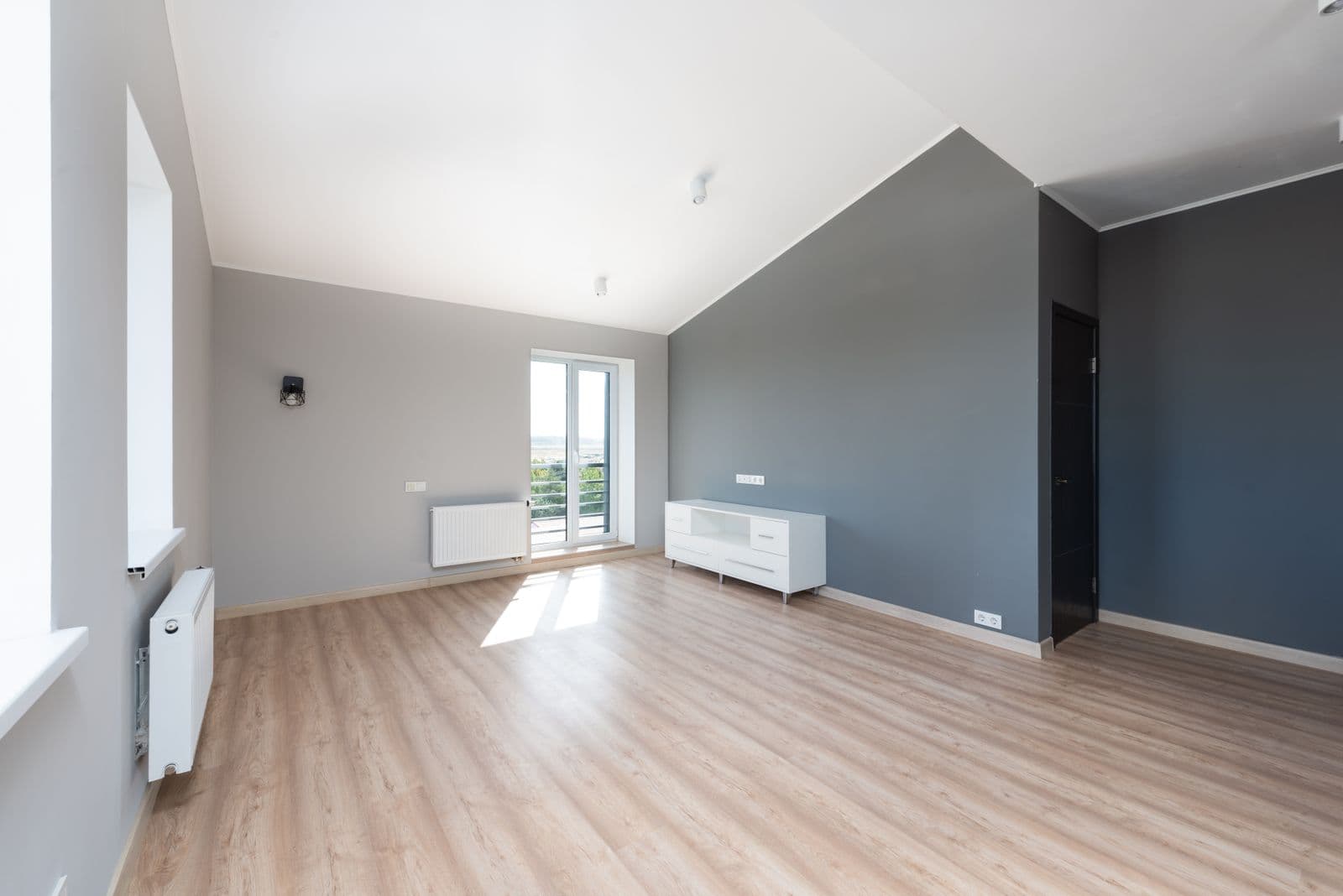 Made good
The process in pictures
Before, during and after
Before
A report comes in: a stain, damp or damage nobody can explain.
Inspection
We attend, measure, photograph and record what is visible and how far it reaches.
Solution
We repair what is within our trade, or hand the case to a licensed professional with the documentation.
After
Making good: closed, filled, painted, tiled, cleaned and final photographs taken.
The photographs above are stock images illustrating each stage of the process. They are not a before-and-after pair from the same job. Real job photographs will be added once a customer has agreed to publication.
Why us
Why call us first
One contact from start to finish
The same company inspects, documents, repairs what it may and finishes the job. The húsfélag does not have to manage three contractors pointing at each other.
The finishing is the trade, not an afterthought
Masonry, tiling, levelling, grinding and painting are what the company does every day. That is why the final making-good is not the part nobody wants — it is the part we are best at.
Clear limits on what we do
We say up front what is within our scope and what needs a licensed master plumber or electrician. That saves time and prevents work that has to be redone.
A written record of the building
Every case leaves photographs and a summary behind. After a few years there is a record of what has actually happened in the property — useful both for the board and at sale.
Service area
We work across the Reykjavík capital region
There is no workshop to visit — we come to where the problem is. A site visit is arranged by phone or off the back of a report.
We work in Reykjavík, Kópavogur, Hafnarfjörður, Garðabær, Mosfellsbær and Seltjarnarnes.
- Reykjavík
- Kópavogur
- Hafnarfjörður
- Garðabær
- Mosfellsbær
- Seltjarnarnes
Frequently asked questions
Frequently asked questions
What exactly do you do?
We inspect property problems in the Reykjavík capital region, document them with photographs and measurements, repair what falls within our own trade and make good after other professionals. Our trade is masonry and finishing: masonry work, tiling, floor levelling, stone grinding, exterior repairs, concrete breaking, painting and restoration.
Are you a plumbing company?
No. We are the first point of contact when something goes wrong in a building, and the trade the company is licensed in is masonry and finishing. Our plumbing work extends to visible fittings and replaceable fixtures: taps, mixers, stop valves, shower hoses, toilet cistern parts and traps. Anything touching the fixed pipework, the heating system or pipes inside walls goes to a licensed master plumber — with our documentation, and we come back to make good.
Do you do electrical work?
No. We do not work on electrical installations. We can look at a household appliance that is not working and carry out a minor repair where that is safe and permitted, but anything touching the fixed electrical installation goes to a licensed electrician.
Can you find any leak?
We look for signs of moisture, investigate the likely source and locate the affected area. We do not promise to find every hidden leak without opening up — some do not reveal themselves until the surface is taken off. What we do is record what is visible and measurable and help determine the right next step.
Do you come back after the plumber has finished?
Yes, and for us that is the normal final step rather than an extra. Once the technical repair is done we close the opening, fill, sand, paint, re-tile, clean up and take final photographs.
Do you fix the small things straight away, or does it take a second visit?
We bring materials and tools to the inspection and repair on the spot whatever falls within our scope: mixer taps, taps, stop valves, shower hoses and heads, toilet cistern parts, traps under basins, seals and silicone, and minor leaks at visible fittings. That removes the need for a second call-out. Anything inside the fixed pipework, the heating system or a wall goes to a licensed master plumber.
What does the licensed professional get from you?
The location down to the room and the spot on the wall, floor or ceiling; a description of what was observed and when it started; moisture readings with figures; dated photographs, both close-up and overview; our assessment of the likely source; and the access details — where the stop valve is, what has to be moved and who lets them in. The professional therefore knows what the job is before arriving.
Where do you work?
In the Reykjavík capital region: Reykjavík, Kópavogur, Hafnarfjörður, Garðabær, Mosfellsbær and Seltjarnarnes.
How quickly do you respond?
We answer reports as soon as we can and prioritise cases where water is still running or damage is getting worse. A site visit is arranged by phone or off the back of the report form. We do not advertise fixed opening hours and we do not promise round-the-clock cover.
Something going on in the property that nobody can explain?
Tell us what can be seen. We attend, inspect, measure and document — and say plainly whether this is a case we finish or one that needs a licensed professional.
Are you on a húsfélag board or with a property company? Discuss a partnership