Moisture and leak inspection
A stain on a ceiling, damp in a bathroom wall or wet patches nobody can explain. We look for signs, measure moisture, investigate the likely source and document everything with photographs.
Moisture is the most common reason people call us, and the hardest thing to describe over the phone. A stain on a ceiling, a wet skirting board, paint flaking beside the shower, or a smell in a storage room that will not go away — these are symptoms, not a diagnosis.
The difficulty is that the symptom often appears a long way from the source. Water travels downwards along routes that are not visible, so a stain on one floor can originate in a wet room diagonally above it. That is why we never start by opening a wall; we start by looking at the whole picture.
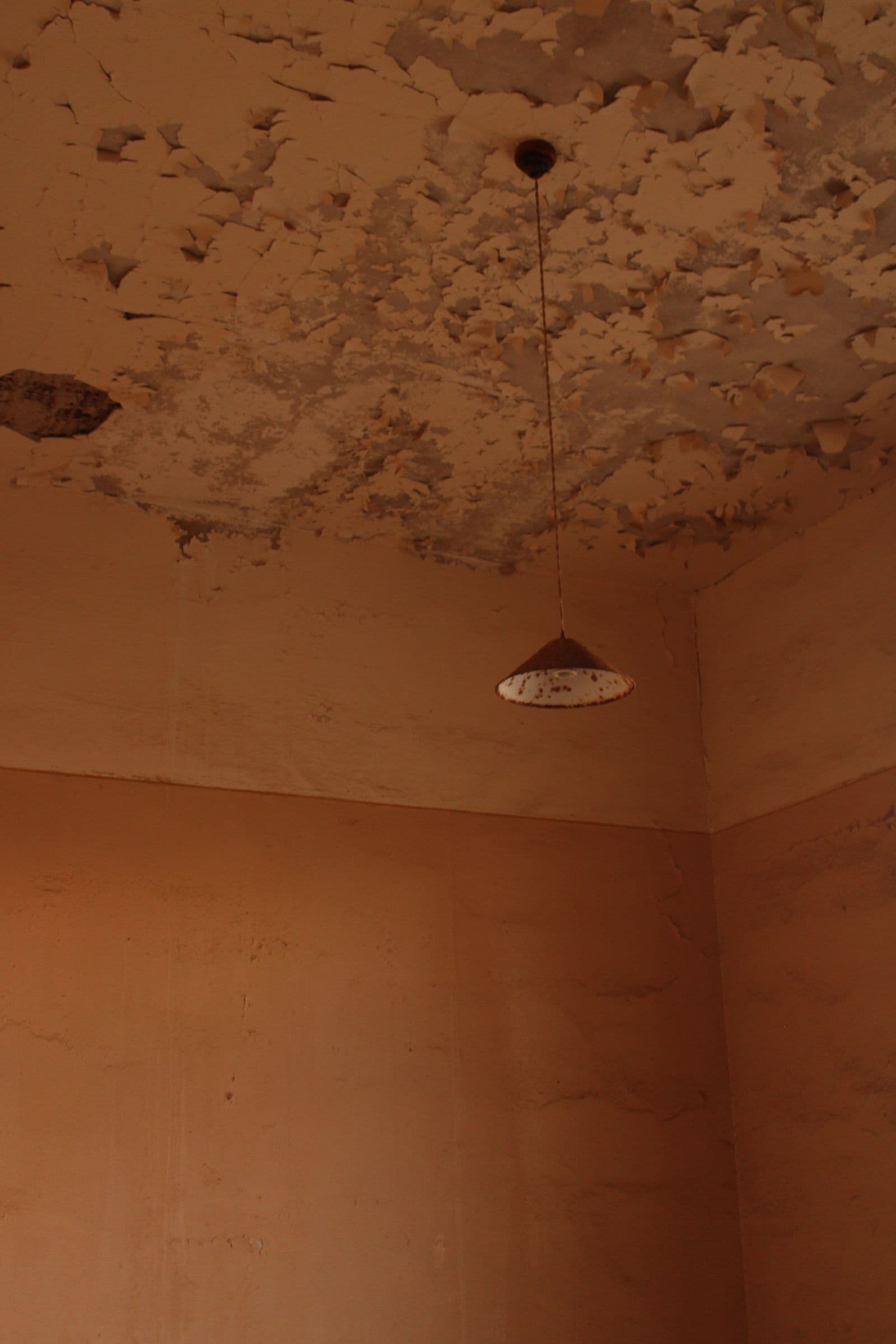
What happens during the visit
What we examine
- The area the report concerns, close up and in context.
- The other side of the wall and the space above, where access allows.
- The nearest wet room: bathroom, laundry, kitchen.
- Seals, silicone, tile grout and floor drains in wet rooms.
- Signs of water from outside: cracked render, window reveals, roof edges.
- Surface moisture with a meter, recorded as numbers rather than as an impression.
What happens afterwards
- If the source is in the fixed pipework or the heating system, the case goes to a licensed master plumber with our documentation.
- If the source is in seals, silicone, tiling or render, it is within our own trade and we repair it.
- If water is entering from outside, we examine the external render and seals and repair what is needed.
- Once the technical repair is done and the substrate has dried, we come back and make good the surface.
Before and after
It has to dry first, then it gets painted over
A damp stain does not go away by painting over it. Once the source is stopped we measure the substrate and wait until it is dry enough — otherwise the stain comes back through the new paint within months. Only then is it filled, sanded and painted. Drag the handle to compare.
These images are placeholders; the real pair will be published once the client has approved it.
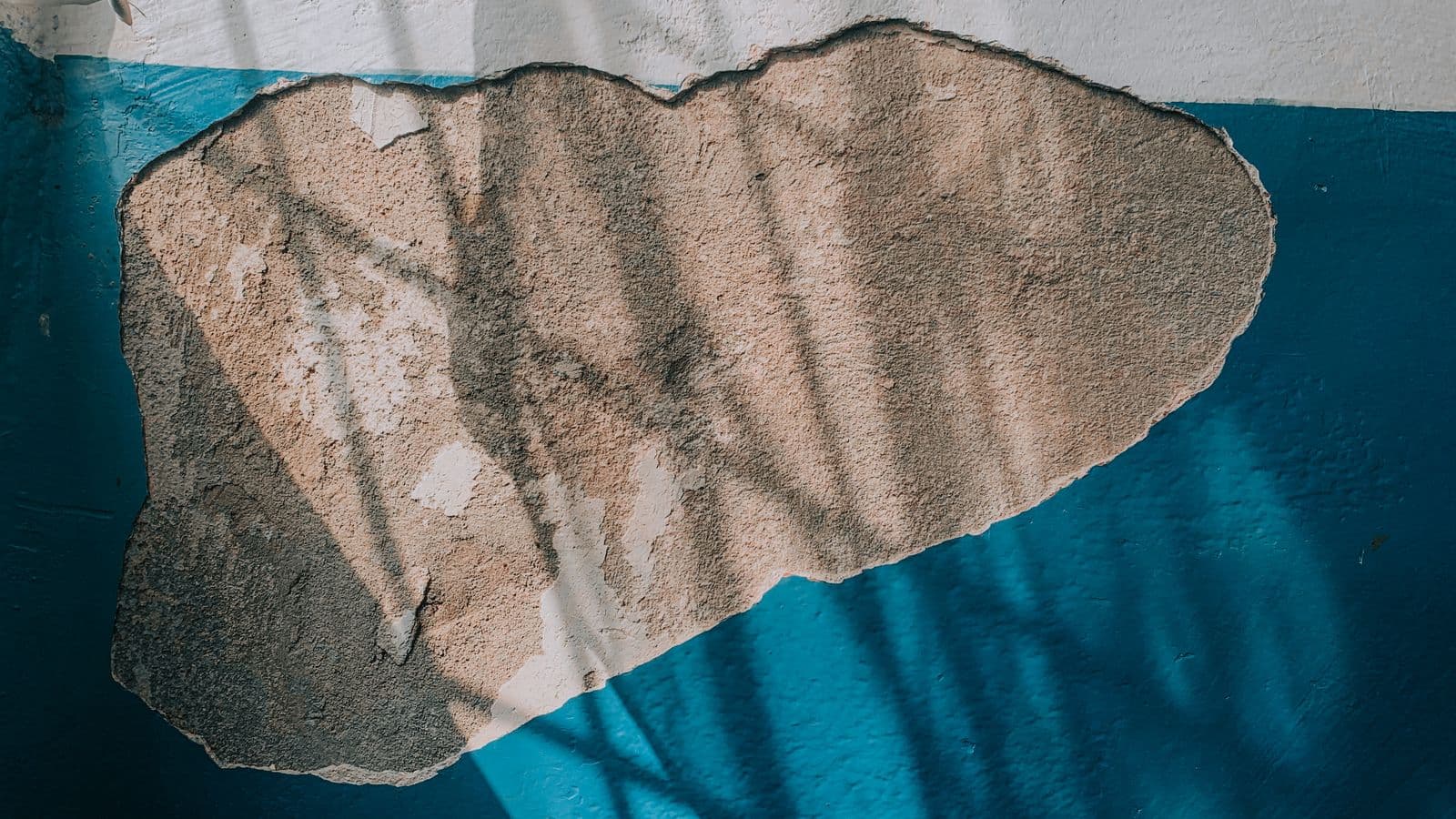 Damp damage
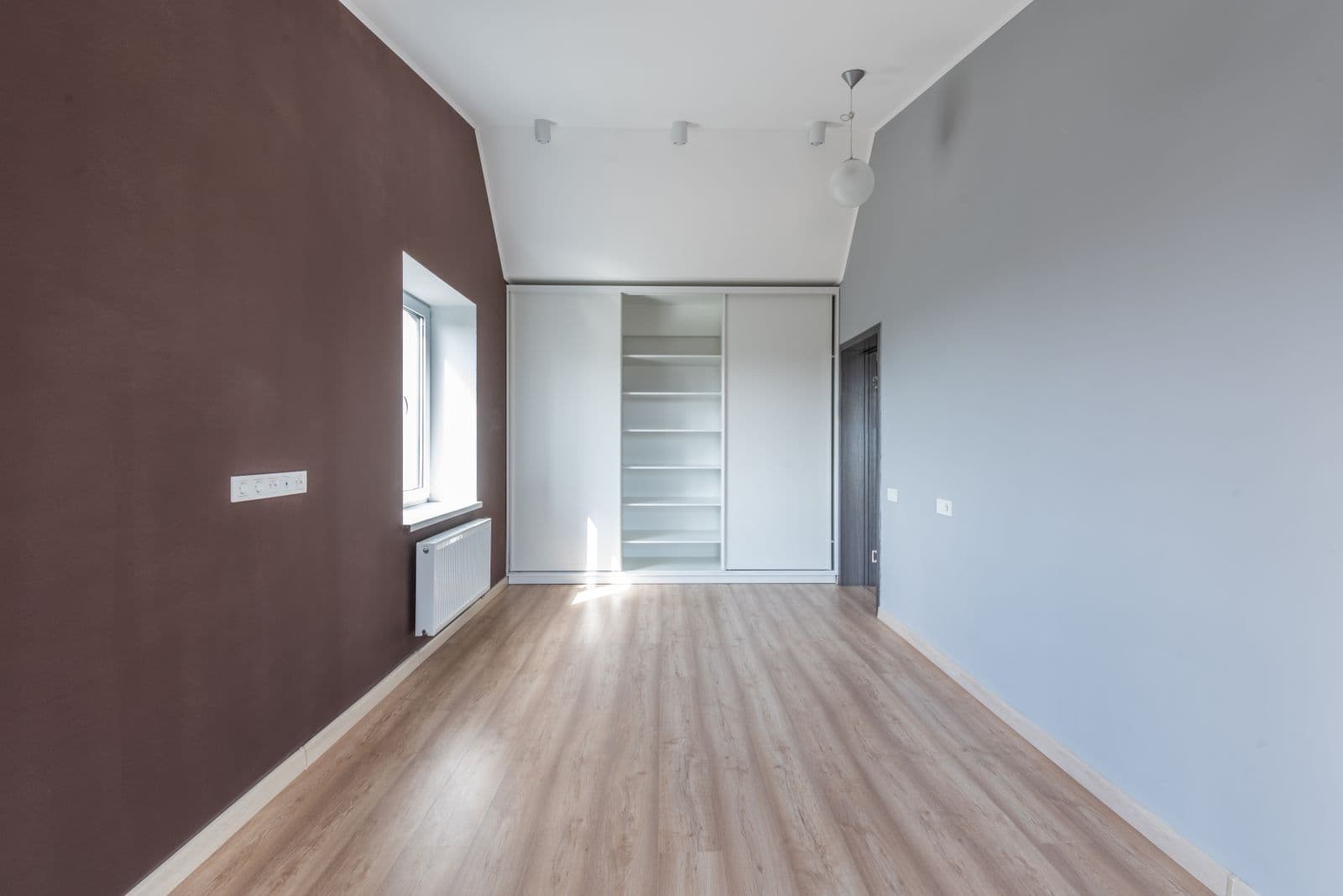 Repainted
Frequently asked questions
Questions about moisture and leaks
Can you find any leak?
We look for signs of moisture, investigate the likely source and locate the affected area. We do not promise to find every hidden leak without opening up — some do not reveal themselves until the surface is taken off. What we do is record what is visible and measurable and help determine the right next step.
In what form do we get the documentation?
Dated photographs of the area, a written description of what was inspected and what was found, moisture readings where they were taken, and a proposed next step. It is put together so it can be forwarded straight to a professional, an insurer or a húsfélag board.
When can the wall be closed after water damage?
When the substrate is dry enough. We do not close over damp — if we measure that it is still wet we say so and wait, because otherwise the damage comes back through the new paint within months.
A stain, damp or a smell that will not go?
Attach photographs to your report. A close-up of the area plus one showing the surroundings often tells us enough to know what to bring to the inspection.
Are you on a húsfélag board or with a property company? Discuss a partnership